




















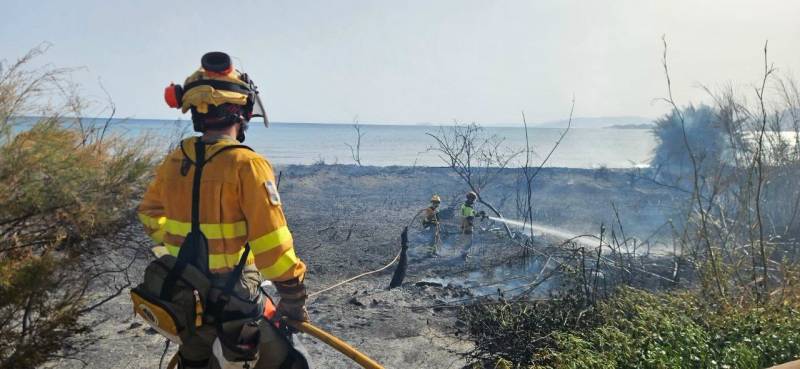
An internal report backed by six of the ten senior officers within the Fire and Rescue Consortium of the Region of Murcia (CEIS) has raised concerns over staffing levels, ageing equipment, response times and the service's ability to deal with major emergencies.
The document, dated June 15 was submitted to the consortium's manager and describes what its authors say is a long-standing decline in the resources available to firefighters across the region.
CEIS provides fire and rescue cover across more than 87% of the Region of Murcia and serves more than half of its population.
According to the report, the consortium is operating with too few firefighters and has become increasingly reliant on overtime to maintain minimum staffing levels at its 15 fire stations.
The senior officers claim some firefighters are working more than 100 hours of overtime every month to keep stations operational.
They also argue that expected improvements following the appointment of new management have failed to materialise, citing what they describe as a lack of a clear operational strategy and insufficient organisational changes to guarantee the safety of firefighters during emergency incidents.
The report describes shortages of essential equipment and warns that years of underinvestment have left the service struggling to respond effectively to emergencies.
Among the concerns raised are:
-Two water tanker trucks currently out of service.
-Six aerial ladder vehicles unavailable for high-rise rescues.
-Rescue boats described as largely unusable.
-Frequent mechanical problems affecting vehicles used to tackle wildfires.
-A lack of specialist rescue equipment, including hydraulic cutting tools and heavy lifting airbags.
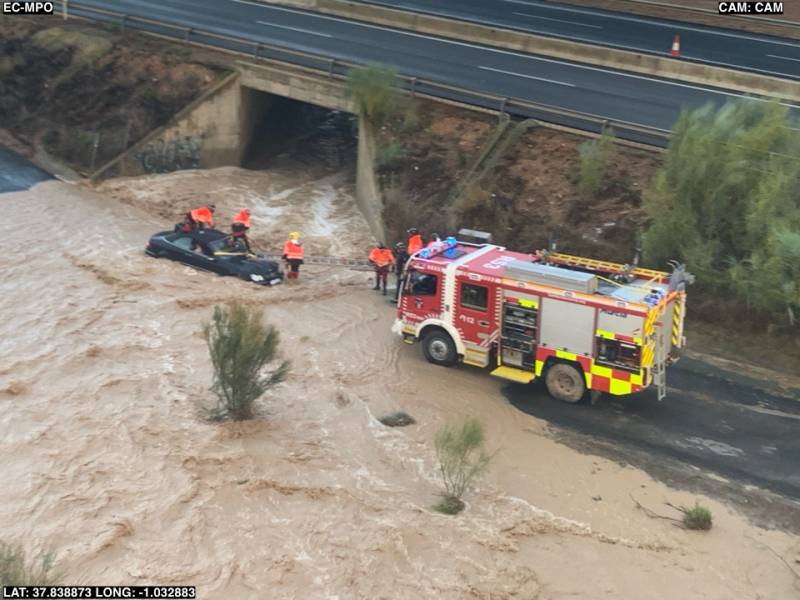
-Insufficient resources to respond to flooding, including specialist vehicles, lightweight rescue boats and water pumping equipment.
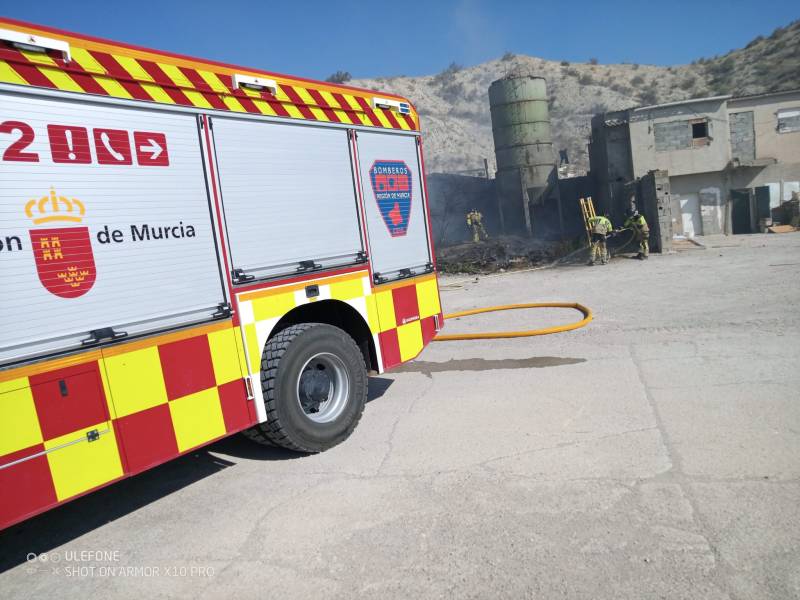 The officers also say the consortium lacks a dedicated mobile command unit capable of coordinating major incidents and does not have systems to track firefighters in real time.
The report further highlights communication problems, warning that radio coverage is lost in some areas during emergencies.
One of the leaked report's most significant concerns relates to emergency response times.
The officers claim that even municipalities with their own fire stations are failing to meet national response time standards, with some incidents taking more than 20 minutes for firefighters to reach.
They warn that in certain cases, fires may already have grown beyond the point where they can be effectively controlled by the time crews arrive.
The report also raises concerns over specialist training, saying senior officers have gone for years without receiving updated instruction in areas such as incident command, collapsed structures, earthquake response and dealing with newer vehicle technologies.
The report also highlights concerns over firefighter safety after incidents.
It states that there are no formal decontamination procedures for personal protective equipment following fires, despite firefighters being recognised by the International Agency for Research on Cancer (IARC) as working in an occupation with a Group 1 carcinogenic risk.
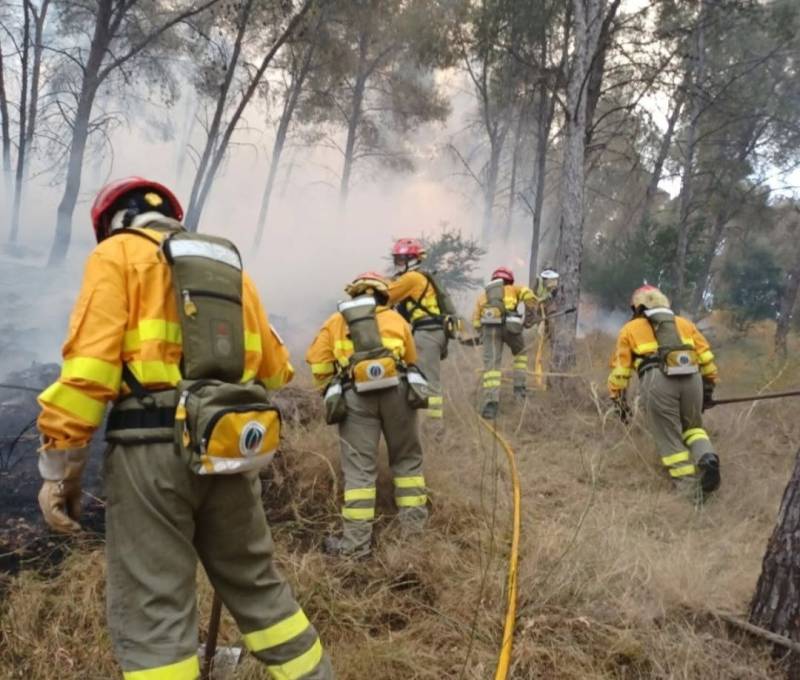 Another concern raised is what the report describes as an increasing dependence on outside organisations to deal with major emergencies.
While acknowledging the valuable support provided by Spain's Military Emergency Unit (UME) and the Region's forest firefighters, the officers argue these organisations should support, rather than compensate for, shortages within the consortium itself.
They warn that relying on external resources highlights structural weaknesses in the service and can make coordination during large-scale emergencies more difficult.
The report says many of these concerns have been raised repeatedly without a formal response.
The officers warn that if serious shortcomings are not addressed, any future major incident could potentially lead to administrative, civil or even criminal liability should firefighters or members of the public be harmed.
Among their recommendations are immediate safety measures within 48 hours, a detailed timetable for replacing equipment within ten working days, a priority training programme for senior officers and a clearer definition of management responsibilities while the reported shortcomings remain unresolved.
The consortium's manager, Carmelo Cabañero, has strongly disputed the report's conclusions, arguing that the fire service is in a much stronger position than it was a few years ago.
 He said the consortium's budget has increased from €28.2 million in 2019 to €41 million in 2026, while spending on staff has risen by €10 million.
Cabañero also pointed to ongoing recruitment, saying more than 181 firefighter positions will have been advertised between 2024 and 2028, with additional recruitment already underway.
He highlighted the introduction of the 35-hour working week, which has reduced the number of annual shifts firefighters are required to work, and said the consortium will reduce workloads further by 2028. He added that proposals have also been made to increase overtime pay to the highest level permitted under national legislation.
The manager described the leaked report as creating 'unjustified alarm' about the state of the service and said recent investment in new vehicles, fire stations and procurement systems demonstrates the regional government's commitment to strengthening the consortium.
He also questioned the timing of the report's publication, noting that it became public several weeks after it had been submitted and shortly after the recent tragedy in Almería.
The contrasting accounts leave two very different pictures of Murcia's fire service. While six senior operational officers warn that staffing, equipment and organisation are placing increasing pressure on the service, CEIS management insists significant investment and recruitment are already addressing those challenges. With political scrutiny now increasing, the issue looks like it will remain firmly in the spotlight over the coming weeks.
Images: CEIS
Sign up for the Spanish News Today Editors Roundup Weekly Bulletin and get an email with all the week’s news straight to your inbox
Special offer: Subscribe now for 25% off (36.95 euros for 48 Bulletins)
Read some of our recent bulletins:
Discount Special Offer subscription:
36.95€ for 48 Editor’s Weekly News Roundup bulletins!
Please CLICK THE BUTTON to subscribe.
(List price 3 months 12 Bulletins)