Date Published: 16/04/2026
Spain opens applications for its most controversial immigration plan in history
The plan could hand residency and work rights to half a million undocumented migrants in Spain
The plan, pushed through by President Pedro Sánchez's government, is aimed at people who have been quietly building lives in Spain without official status.
"Spain is ageing," he wrote. "Without more people working and contributing to the economy, our prosperity slows and our public services suffer."
According to the government, the measure isn't just a matter of fairness, it's an economic necessity for a country that already has around 10 million foreign-born residents among its 50 million population, with think tank Funcas estimating there are roughly 840,000 undocumented migrants currently working in Spain.
Undocumented migrants now have two main routes to regularisation. The first is for asylum seekers who submitted applications before January 1, 2026 and are still waiting for a decision. If they can show they've been continuously living in Spain for at least five months, they can apply for residency based on their ties to the country.
The second, broader route is open to anyone who was living in Spain five months before January 1, 2026, even if they never applied for asylum. To be eligible, applicants need to show either employment ties, an intention to work, that they live with dependent family members or minors, or that they're in a vulnerable situation.
The deadline to apply is June 30, 2026, a timeline that social organisations have criticised as too tight. The government has refused to extend it despite weeks of pressure.
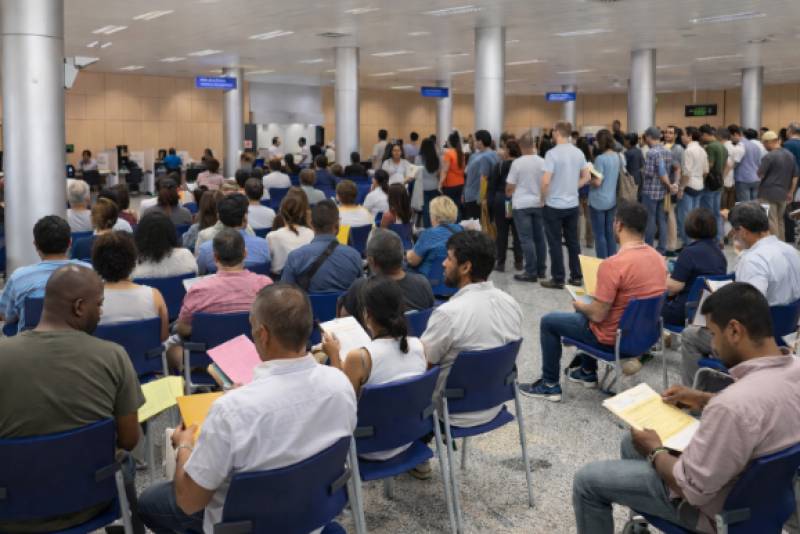
There are also serious concerns about whether the system can actually handle the volume of applications. Immigration officers are threatening to go on strike from April 21, the day after in-person appointments open, in protest at what they describe as a severe lack of resources.
Only five of Spain's 54 immigration offices will process applications directly, with the rest handled through social security offices, post offices and NGOs.
Unsurprisingly, opposition to the scheme has been pretty loud. The People's Party (PP) has called it reckless, despite previous conservative governments having introduced similar measures in the past. Madrid's regional president Isabel Díaz Ayuso has threatened to challenge it in court.
It's a deeply divisive move, but Sánchez shows no sign of backing down, framing it as both a moral obligation and a practical solution to Spain's demographic challenges.
article_detail

|
Read more articles about undocumented migration in Spain: