










 While there is no doubting the marvellous sights and recommended visits to be found above ground in the Region of Murcia, from mountains to beaches, from monumental churches and cathedrals to the attractions of simple bar terraces in the major towns and cities and all along the coast, fewer people are aware of some of the rich archaeological and historical heritage which lies beneath ground level.
These treasures date from ancient history to the times of Moorish rule between the 8th and 13th centuries, and many consist of old streets, homes palatial buildings and even water drainage and irrigation systems which truly bring to life the history of the Region.
The following is a selection of just a few of the recommendations offered by the regional tourist board for those who enjoy really digging into the past and discovering how Murcia and the Costa Cálida came to be what they are today!
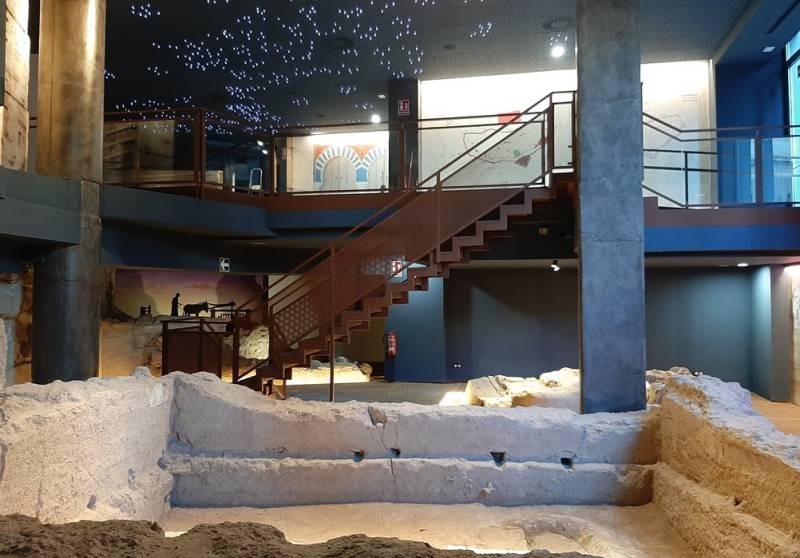
1. The ruins of the city wall at the Santa Eulalia visitors centre in Murcia
During the Moorish period the city of Murcia was founded on the banks of the River Segura and protected by a defensive city wall, almost all of which has since been dismantled or simply disintegrated.
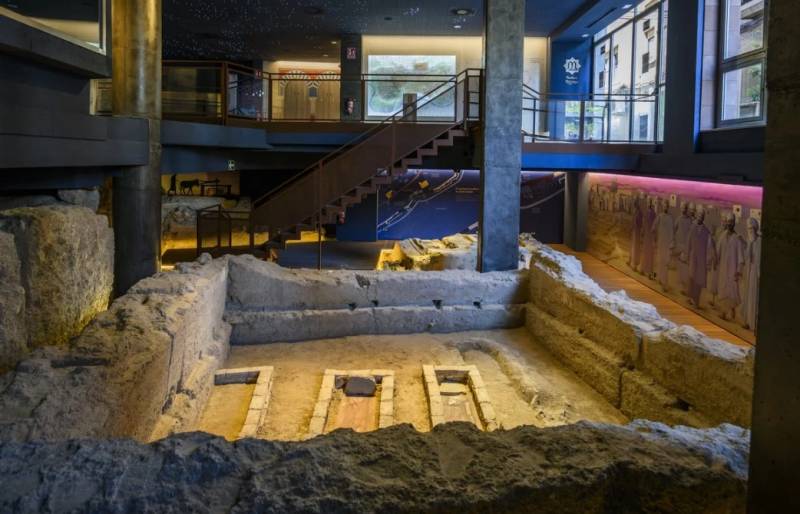
However, some sections have re-emerged in the basements of old buildings and during excavations to build new ones, and perhaps the best example is this one right next door to the church of Santa Eulalia in the heart of the city. The remains which can be seen belong to three separate phases of construction; the original Moorish wall from the 12th century, an updated construction from the 15th century and one of the entry gate towers which were dotted around the circumference of Murcia.
Another popular feature at the visitors’ centre is a sensory display which allows you to experience the past with various senses, revisiting some of the smells, sounds and sights of the Middle Ages!
2. The ruins of the Palacio de San Esteban in Murcia
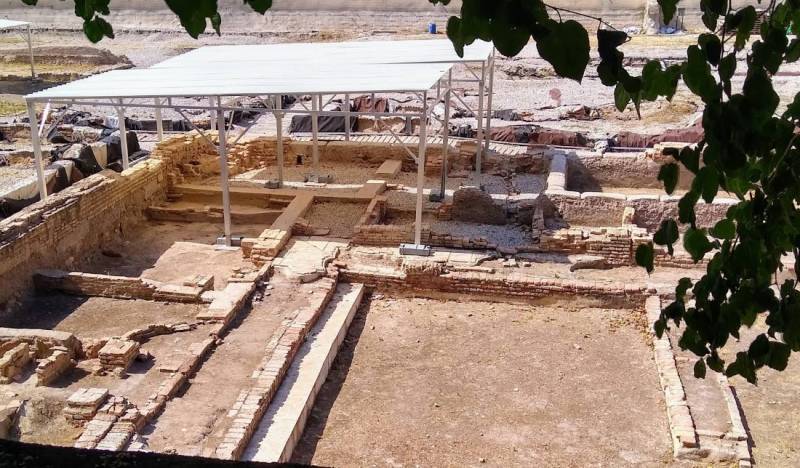 Until a few years ago the piece of ground next to the Regional Presidency building in the city of Murcia, the Palacio de San Esteban, was occupied by a public park and garden (the Jardín de San Esteban) (click here for map), but during excavations for the construction of an underground car park the remains were found of a whole district of the old Moorish city. This district lay outside the city wall, but it has since been researched by teams of archaeologists and preparations are being made to turn it into an open-air archaeological museum open to the public.
This “arrabal” district is the largest Islamic site in the whole of Europe and contains the remains of homes, streets, patios, a place of prayer, what is believed to have been a “funduq” (a retail outlet) and even a burial ground, offering a unique insight into the original Moorish city – all in all, an collection of unparalleled historical worth!
3. The Roman Forum district in the Molinete district of Cartagena
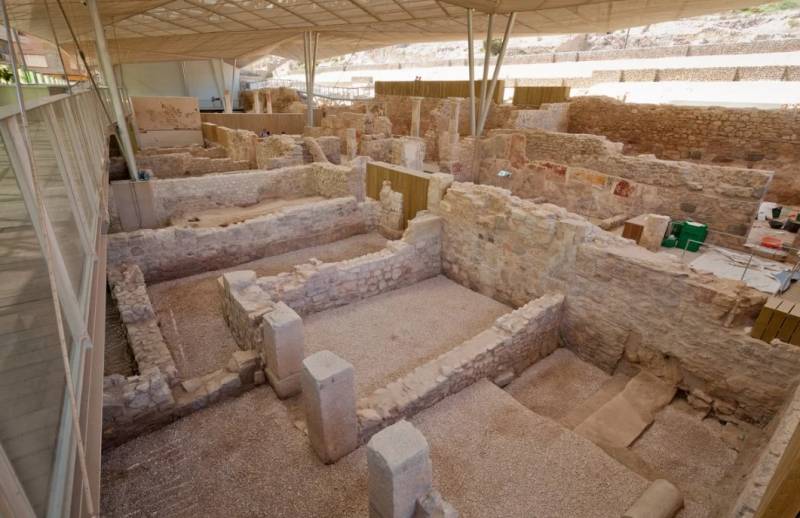 The Roman Forum museum in Cartagena stands as the entrance to one of the largest and most important urban “archaeological parks” in Spain. In the exhibition spaces around it visitors can see elements of the history of “Carthago Nova” (as the Romans called the city) from the era of Carthaginian rule (which ended in 219 BC) right up until the 20th century, when the complex was discovered.
The route ends among some of the best-preserved vestiges of the era of Roman rule, including the Curia (council building), the forum itself, a sanctuary dedicated to the goddess Isis, the Roman baths of the port and the Atrium building, complete with its wall paintings and mosaics.
This collection of ruins takes us right back to the heart of daily life in Cartagena 2,000 years ago!
4. The Punic Wall visitors’ centre in Cartagena
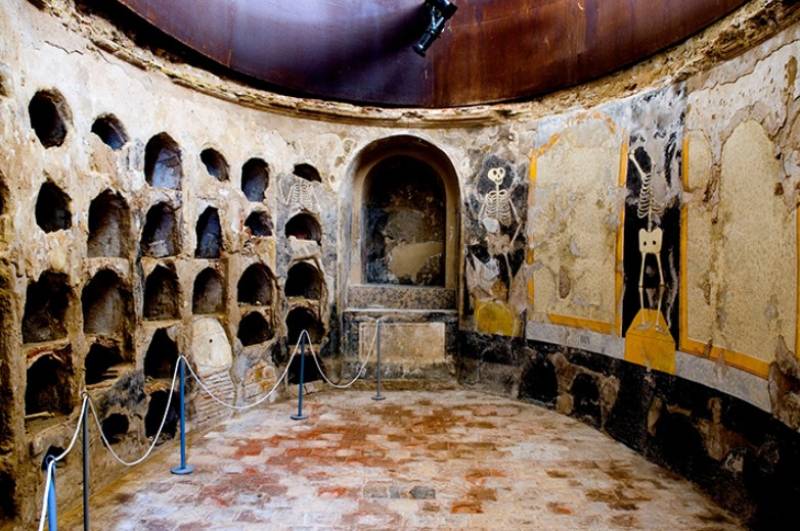 Located on the other side of Cartagena from the forum is the Punic Wall visitors' centre, housing part of an even older structure than the Roman forum: the defensive city wall built by the Carthaginians in the 3rd century BC, when they called the city “Qart Hadast” and made it the flagship of their territory and culture on the European mainland. Inside the cantre visitors can see one of the few remaining examples of Carthaginian architecture in Spain and even enter the crypt in the church of San José, decorated with the haunting “Dances of Death”!
5. Medina Siyâsa, the Early Middle Ages forerunner of Cieza
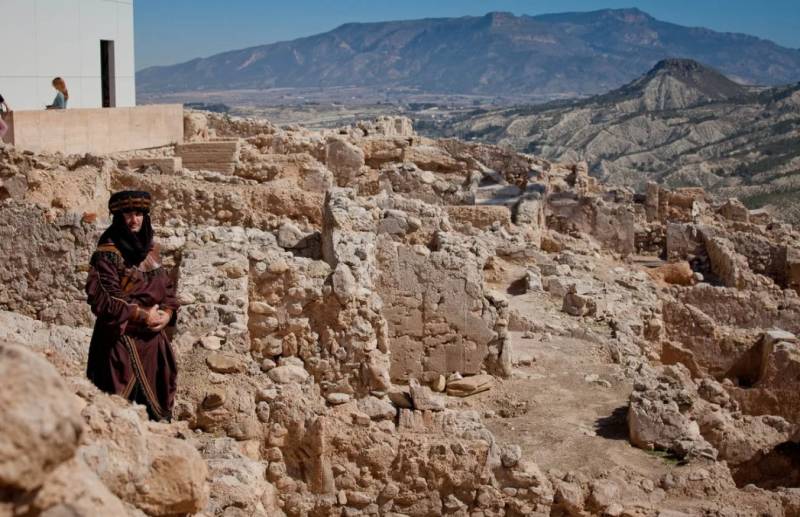 Very close to the centre of the large town of Cieza is a very vivid and real reminder of how life used to be in the towns of rural Andalusia during the Moorish period, known at the time as Medina Siyâsa. The museum space here contains full-size reconstructions of entire homes and items which have been unearthed and illustrate for us the reality of life in this hilltop settlement in the Early Middle Ages.
In all, the museum’s exhibited and stored objects run to a total of over 90,000, most of them related to archaeology, art science and ethnography.
6. The Roman villa of Los Cipreses in Jumilla
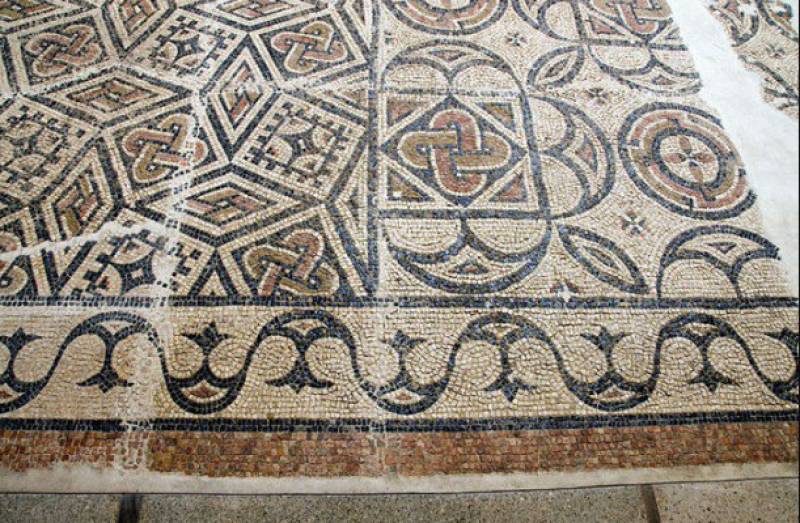 The remains of the villa of Los Cipreses in the municipality of Jumilla were not uncovered until the 1960s, since when work has been done to clean up the site in order to make it a visitable attraction and a reminder of the town’s long historical heritage.
Located close to the old cattle herding route which led to the monastery of Santa Ana del Monte, it was not found until Jerónimo Molina unearthed the large mosaic floor of the peristyle, and it has now been established that it was in use as an agricultural villa from the 1st to the 4th century AD, reaching its heyday in the mid-3rd century.
The mosaic is now on display in the Jerónimo Molina archaeological museum in the Plaza de Arriba in Jumilla.
7. The Roman villa of Los Torrejones in Yecla
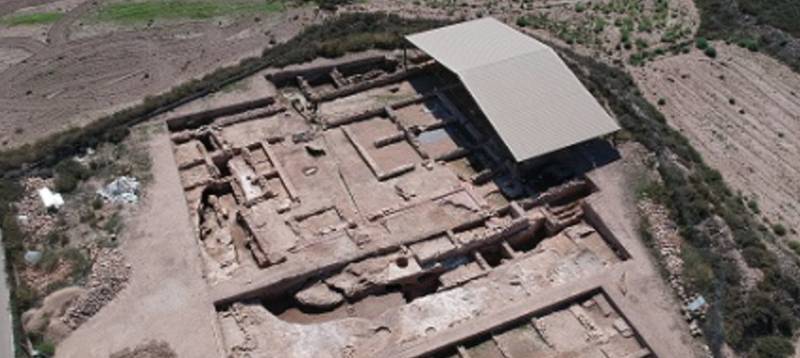 The site of the villa of Los Torrejones in the municipality of Yecla is another 2,000-year-old agricultural property, believed to have specialized mainly in the production of olive oil and wine. At the same site there is also evidence that the facility was in use again centuries later, under Moorish rule, and there are remains of a Moorish bath (hammam).
This juxtaposition of different eras is typical of the history of the Region of Murcia, as well as the tendency throughout the ages in Spain to adapt old buildings and put them to further use!
Sources: ITREM and Murcia Today
Sign up for the Spanish News Today Editors Roundup Weekly Bulletin and get an email with all the week’s news straight to your inbox
Special offer: Subscribe now for 25% off (36.95 euros for 48 Bulletins)
Read some of our recent bulletins:
Discount Special Offer subscription:
36.95€ for 48 Editor’s Weekly News Roundup bulletins!
Please CLICK THE BUTTON to subscribe.
(List price 3 months 12 Bulletins)