

















Spain and Ireland are looking into a major new undersea electricity cable across the Atlantic, in what could become one of Europe's most ambitious attempts yet to strengthen links between renewable energy systems.
The idea is often described as an 'electricity highway,' a high-capacity power link running under the ocean between the two countries, designed to move surplus renewable energy where it's needed most.
At this stage, it's still a proposal under study, but both governments have agreed to examine whether it is technically and economically possible.
The planned route would connect northern Spain, most likely Asturias, with the south of Ireland, covering around 1,000 to 1,100 kilometres under the Atlantic Ocean.
It's quite an eye-catching idea, but also highly complex. The cable would need to pass through deep and challenging waters, including the Bay of Biscay and the Celtic Sea, making it a major engineering project even by European standards.
Spain and Ireland face a similar issue. Both are relatively weakly connected to the European electricity grid. In EU terms, they are often described as 'energy islands' not because they are cut off but because their links to neighbouring markets are still limited.
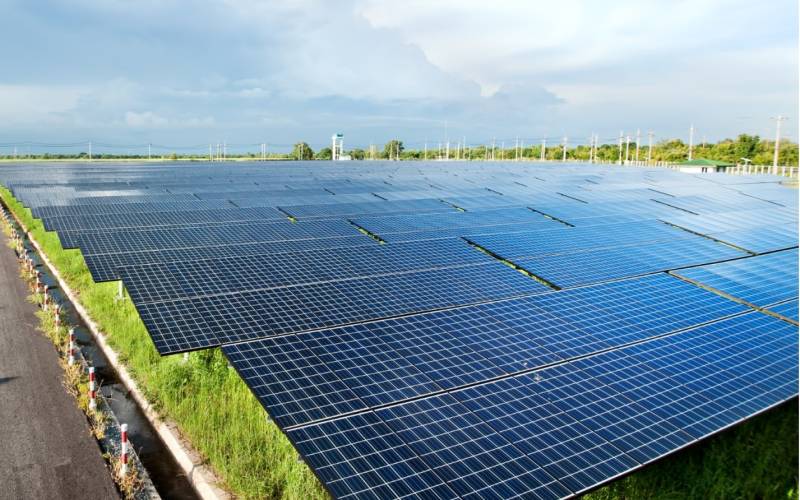
 For Spain, this is particularly frustrating. The country generates huge amounts of renewable energy, especially solar, but struggles to export excess power due to bottlenecks in cross-border links, particularly through France.
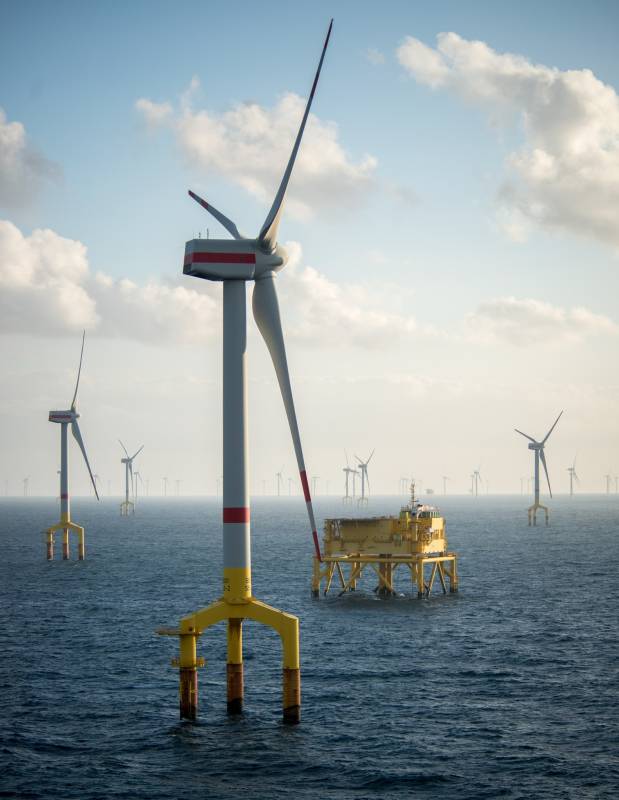
Ireland faces its own challenges, with growing wind power capacity needing stronger connections to balance supply and demand.
When Spain is producing more solar energy than it can use, that surplus could potentially be sent to Ireland. In return, when strong Atlantic weather systems drive high wind generation in Ireland, that electricity could flow back south.
At the moment, Spain's electricity interconnection capacity sits at around 3,000 MW, only a small fraction of its total generation capacity. That works out at roughly 2%, well below the EU target of 10% that was set for 2020, and still a long way from the 15% goal expected by 2030.
That lack of connectivity means Spain cannot always export excess renewable energy efficiently, which limits the full potential of its solar and wind expansion. Meanwhile in Ireland, while they are advancing rapidly in offshore wind, they are also working within a relatively isolated system compared with mainland Europe.
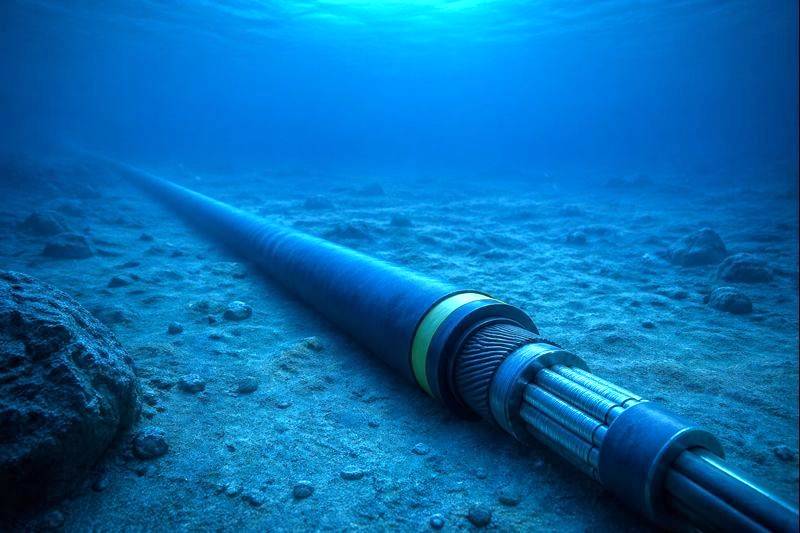
If the project goes ahead, it would use high-voltage direct current (HVDC) technology. This is the standard approach for long-distance undersea electricity transmission because it reduces energy losses compared with traditional alternating current systems.
It's already being used in other major European interconnectors, including links between Ireland and France, showing that the technology is proven, even if the scale here would be significantly larger.
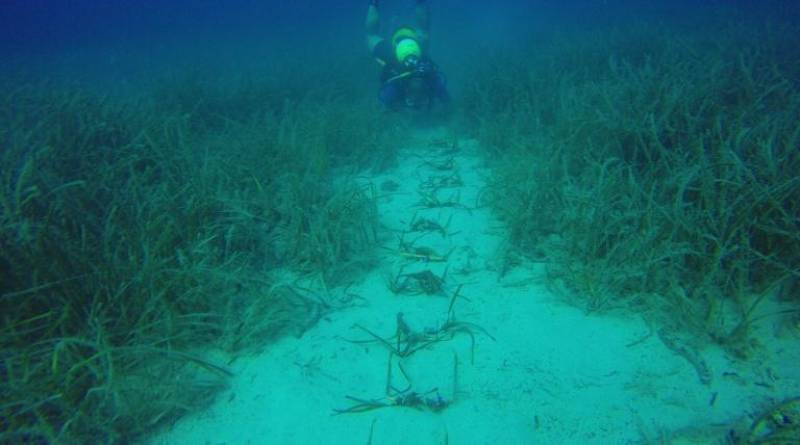 The sheer distance involved makes this a major undertaking. A cable of over 1,000 kilometres would be among the longer interconnection projects of its kind, especially given the depth and conditions of the Atlantic route. Engineering, installation and long-term maintenance in deep ocean environments all add to the complexity and cost.
The agreement signed between Spain and Ireland is a Memorandum of Understanding, meaning both sides are now committed to studying the idea rather than building it. Grid operators in both countries will assess technical design, costs, and possible routes before presenting findings to European authorities.
If it progresses, the project could be considered for inclusion in the EU's list of Projects of Common Interest, which can unlock funding and help speed up approvals.
The timing is no coincidence either. Across Europe, there is a stronger push to reduce dependence on imported fossil fuels following recent energy shocks and geopolitical instability.
Programmes like REPowerEU have put cross-border electricity links at the centre of long-term energy planning to build a more resilient and interconnected system.
A project of this scale could cost between €2 billion and €3 billion, with construction taking several years once approved. The engineering challenges alone, particularly in deep Atlantic waters, are substantial.
There is also the onshore side to consider. In Spain, landing the cable in Asturias would require upgrades to internal transmission networks, including new links across mountainous terrain to connect with major power generation areas further south.
 For now, the focus is on detailed feasibility studies led by Spain's Red Eléctrica and Ireland's EirGrid. Only once those assessments are complete will the project move towards potential European funding and formal approval processes.
It's still early days, but the idea reflects a shift in how Europe is thinking about energy, less as separate national systems, and more as a shared network built around renewables, flexibility and connection.
Read also:Is Spain headed for another blackout? Red Eléctrica warns it's very possible
Image 1: Artistic representation
Image 2: EirGrid
Image 3: Ministerio para la Transición Ecológica y el Reto Demográfico
Image 4 : Red Electrica
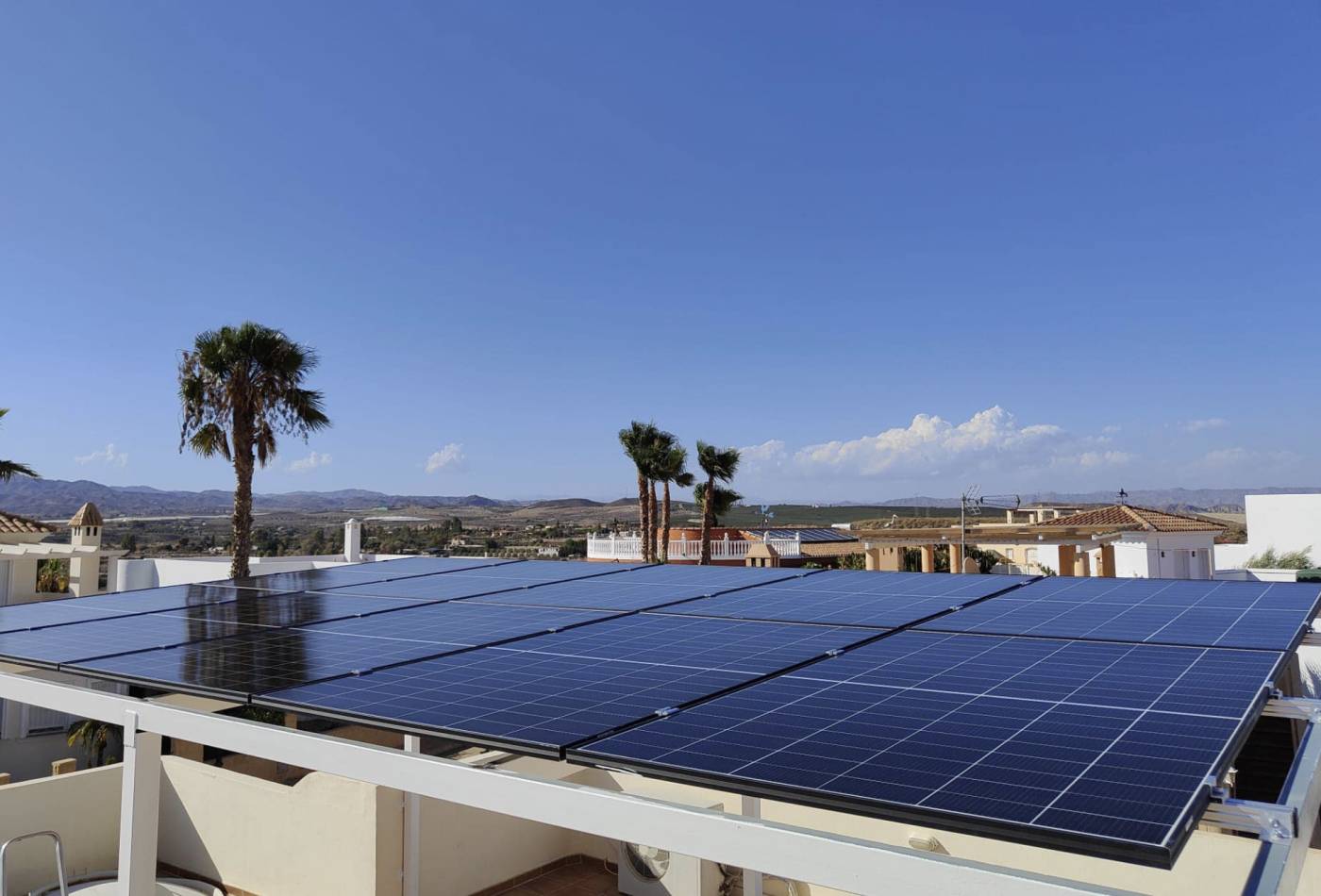
 Solar energy is a great resource for energy in Spain. The panels make the most of the many hours of sunshine in the country and are a great addtion to any household looking to go green and save on their energy bills.
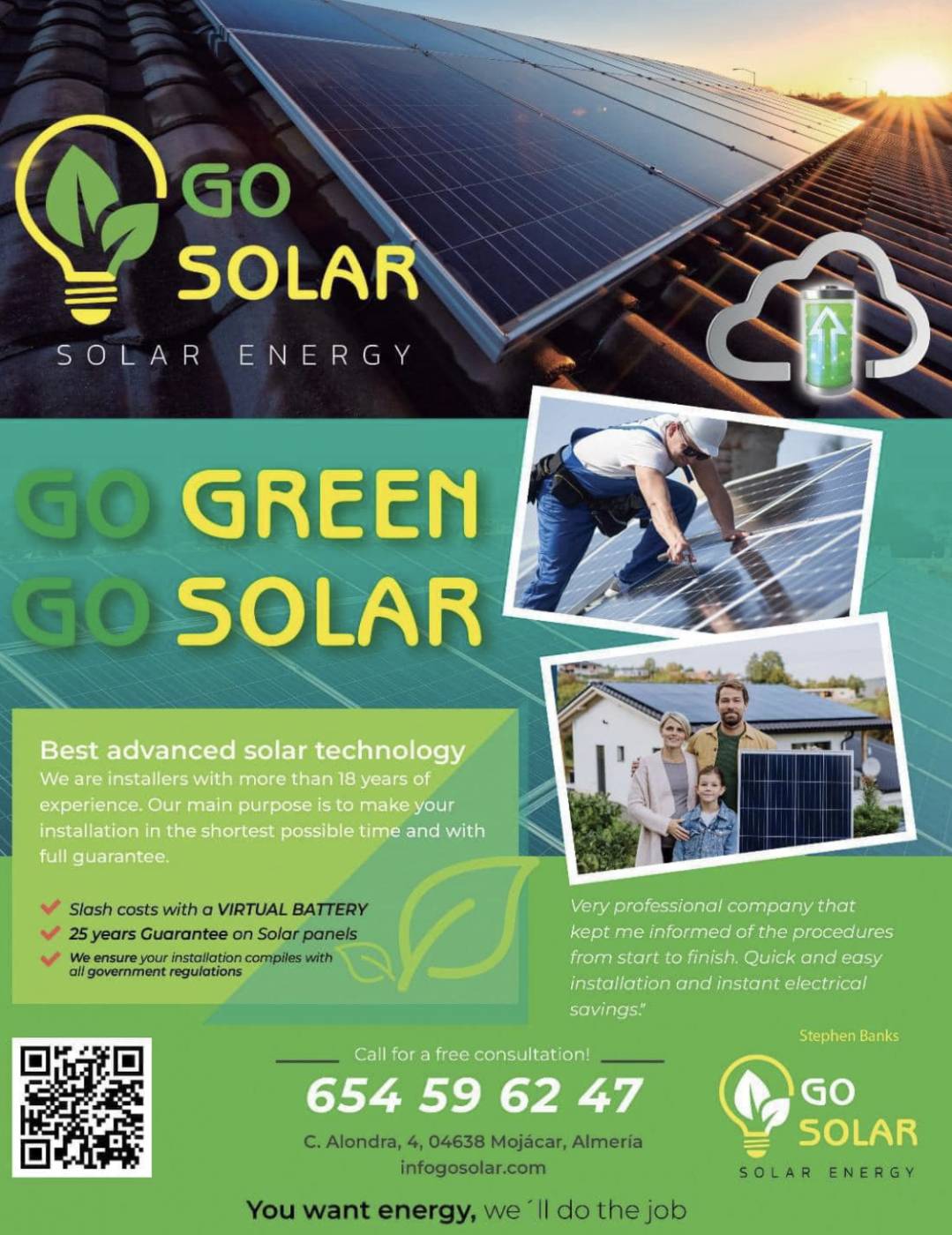
Go Solar are always ready to help and to advise people on how they can maximise the benefits that solar panels can afford the customers. They have an unbeaten reputation in the community for providing first-rate service to those who invest in solar panels.
As well as solar panel installation, they can advise on the best solar set-up for customers, including the number and type of solar panels you need, as well as take care of maintenance of existing solar power systems.
They also ensure 100% legalisation of all solar energy systems and can help homeowners applies for official grants and financing options to help pay for solar panels.
If solar panels are something that you maybe interested in, do not hestiate in contacting Go Solar and booking a consultation: